
News
What does leaving your bed unmade say about you? Uncover the surprising psychology behind it
“`html
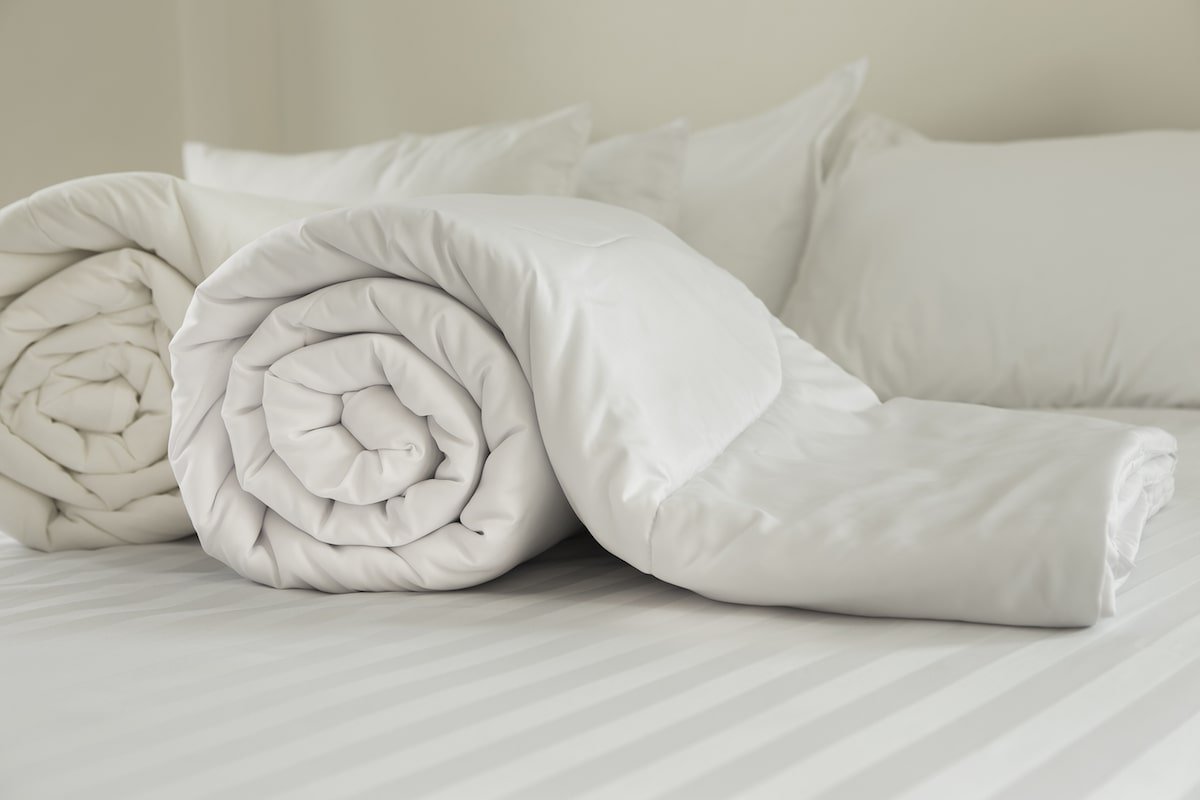
The psychological implications of leaving your bed unmade: More than just laziness, it could reveal deeper aspects of your personality.
The seemingly trivial habit of not making your bed in the morning can actually offer profound insights into your personality and mental state. While some might dismiss it as mere laziness, psychological studies suggest that such routines can significantly influence our emotional well-being. This article delves into the various psychological interpretations of this simple act and what it might say about you.
The psychology behind an unmade bed
There are diverse opinions within psychology regarding the implications of an unmade bed. Some researchers argue that living in a disordered environment can lead to heightened levels of anxiety and stress. The perception of chaos in one’s living space may contribute to a feeling of lack of control and hinder concentration, negatively affecting mood and productivity. On the contrary, an organized environment, symbolized by a neatly made bed, can foster calmness and tranquility, enhancing overall life quality.
Embracing chaos for creativity and freedom
However, another school of thought suggests that intentionally leaving your bed unmade might represent a quest for greater freedom in daily life. Proponents of the chaos-creativity connection argue that an unmade bed symbolizes a rejection of societal norms of perfection and control. It may also reflect a desire—perhaps unconscious—to focus on more essential aspects of life, moving away from material concerns. Supporters of this theory align with the idea that a degree of disorder can be creatively stimulating and liberating.
Disorder as a form of personal expression
Adherents of the “messy bed” philosophy often agree with the proponents of “creative disorder,” accepting that life’s imperfections can lead to richer experiences. They propose that not making the bed could symbolize a subtle rebellion against the expectation of always maintaining control. In this view, disorder becomes a personal space for freedom and self-expression. It raises the question: who truly understands the deeper meaning behind such a simple choice?
Conclusion: Reflecting on personal habits
Whether you view an unmade bed as a source of stress or a symbol of liberated creativity, it undeniably reveals aspects of personal preference and mindset. These daily habits, however minor they may seem, offer a window into our psychological landscape. As you consider this perspective, it might be worth reflecting on your own routines and what they reveal about you. Ultimately, understanding these patterns can lead to greater self-awareness and personal growth.
“`Riproduzione riservata © - WT



“Adult eczema unveiled: Discover the surprising triggers and solutions”
Understanding adult atopic dermatitis: recognizing its unique challenges and effective management strategies for a chronic inflammatory condition. Atopic dermatitis, often...


Unlock the secret to youthful skin: Discover the game-changing benefits of sublingual hyaluronic acid
The evolving landscape of hyaluronic acid: exploring sublingual administration and its potential benefits for skin health. Hyaluronic acid has long...


Unlocking the secret to male vitality: Why testosterone matters more than you think
Understanding the complex role of testosterone in male aging and the potential interventions to maintain vitality as men grow older....


Expecting this summer? Discover how to safely enjoy the sun during pregnancy!
The importance of sun protection during pregnancy: Understanding how hormonal changes affect your skin and choosing the right sunscreen. Pregnancy...


Why Italian research relies on citizens: Unveiling the funding puzzle
Understanding the complex mosaic of research funding in Italy: How state, enterprises, and citizen contributions shape the scientific landscape. In...
