
News
Discover the surprising effects of cutting salt from your diet
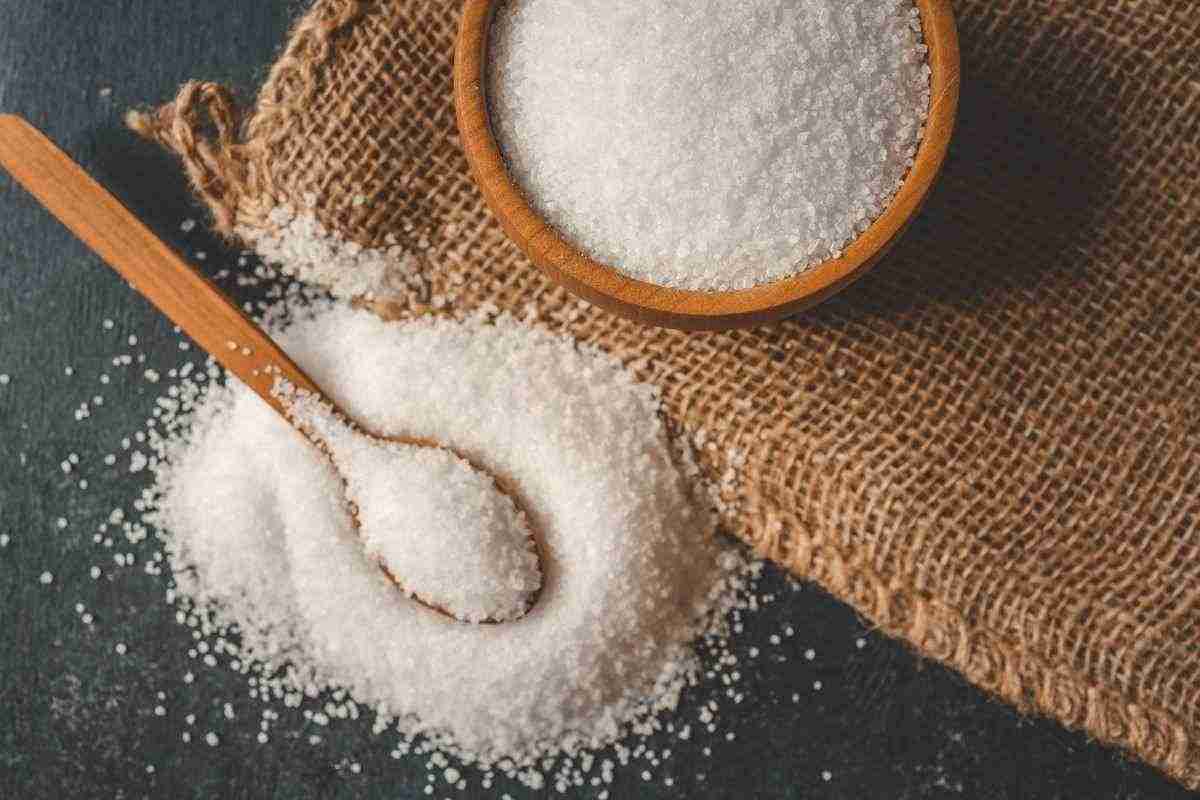
Understanding the immediate and long-term effects of removing salt from your diet and its impact on your overall health and body functions.
Salt is a ubiquitous ingredient in our daily meals, but what happens when we decide to eliminate it from our diet? Understanding the effects of such a decision is crucial, as salt plays an essential role in our body’s functioning. While cutting back on salt can bring several health benefits, it can also lead to unintended negative consequences. This article explores the impact of removing salt from your diet, highlighting the importance of moderation and personalized dietary choices.
The role of salt in our diet and why it matters
Salt is a common seasoning used to enhance the flavor of various dishes, from pasta water to salads and sauces. However, its role extends beyond taste. Salt contains sodium, a vital electrolyte that helps regulate fluid balance, nerve function, and muscle contractions in the body. Despite these benefits, excessive salt consumption is linked to health issues such as high blood pressure, cardiovascular diseases, and fluid retention. Therefore, understanding how much salt is appropriate is essential for maintaining good health.
Positive effects of reducing salt intake
Moderately reducing salt intake can lead to several health benefits. One of the most notable effects is the reduction in blood pressure, which can lower the risk of hypertension and related cardiovascular problems. Additionally, reducing salt can decrease fluid retention, thereby potentially alleviating issues like bloating and cellulite. Furthermore, a low-salt diet may contribute to better bone health by reducing the risk of osteoporosis. These positive outcomes underscore the advantages of a balanced approach to salt consumption.
Potential negative consequences of eliminating salt completely
While reducing salt intake can be beneficial, eliminating it entirely from the diet may lead to adverse effects. One significant concern is the risk of electrolyte imbalance, specifically hyponatremia, which occurs when sodium levels in the blood drop too low. This condition can result in neurological problems, muscle cramps, dizziness, and fatigue. Moreover, a sudden drop in salt intake can cause hypotension, leading to weakness and fainting. These potential issues highlight the importance of maintaining some level of salt in the diet.
Finding the right balance: Moderation is key
Deciding on the appropriate amount of salt in your diet should involve consulting with a healthcare professional, especially for individuals with specific health conditions. In general, it is advisable to use salt sparingly while ensuring that the body’s sodium needs are met. This balanced approach can help avoid the health risks associated with both excessive and insufficient salt intake. By understanding the role of salt and making informed choices, individuals can optimize their diet for better health outcomes.
In conclusion, while salt is an essential component of our diet, its intake should be carefully managed. By recognizing the potential benefits and drawbacks of salt consumption, individuals can make informed decisions that support their overall health and well-being. Moderation, rather than elimination, appears to be the most beneficial approach to incorporating salt into a healthy diet.
Riproduzione riservata © - WT



“Adult eczema unveiled: Discover the surprising triggers and solutions”
Understanding adult atopic dermatitis: recognizing its unique challenges and effective management strategies for a chronic inflammatory condition. Atopic dermatitis, often...


Unlock the secret to youthful skin: Discover the game-changing benefits of sublingual hyaluronic acid
The evolving landscape of hyaluronic acid: exploring sublingual administration and its potential benefits for skin health. Hyaluronic acid has long...


Unlocking the secret to male vitality: Why testosterone matters more than you think
Understanding the complex role of testosterone in male aging and the potential interventions to maintain vitality as men grow older....


Expecting this summer? Discover how to safely enjoy the sun during pregnancy!
The importance of sun protection during pregnancy: Understanding how hormonal changes affect your skin and choosing the right sunscreen. Pregnancy...


Why Italian research relies on citizens: Unveiling the funding puzzle
Understanding the complex mosaic of research funding in Italy: How state, enterprises, and citizen contributions shape the scientific landscape. In...
