
News
Are you ignoring these silent lung danger signs?
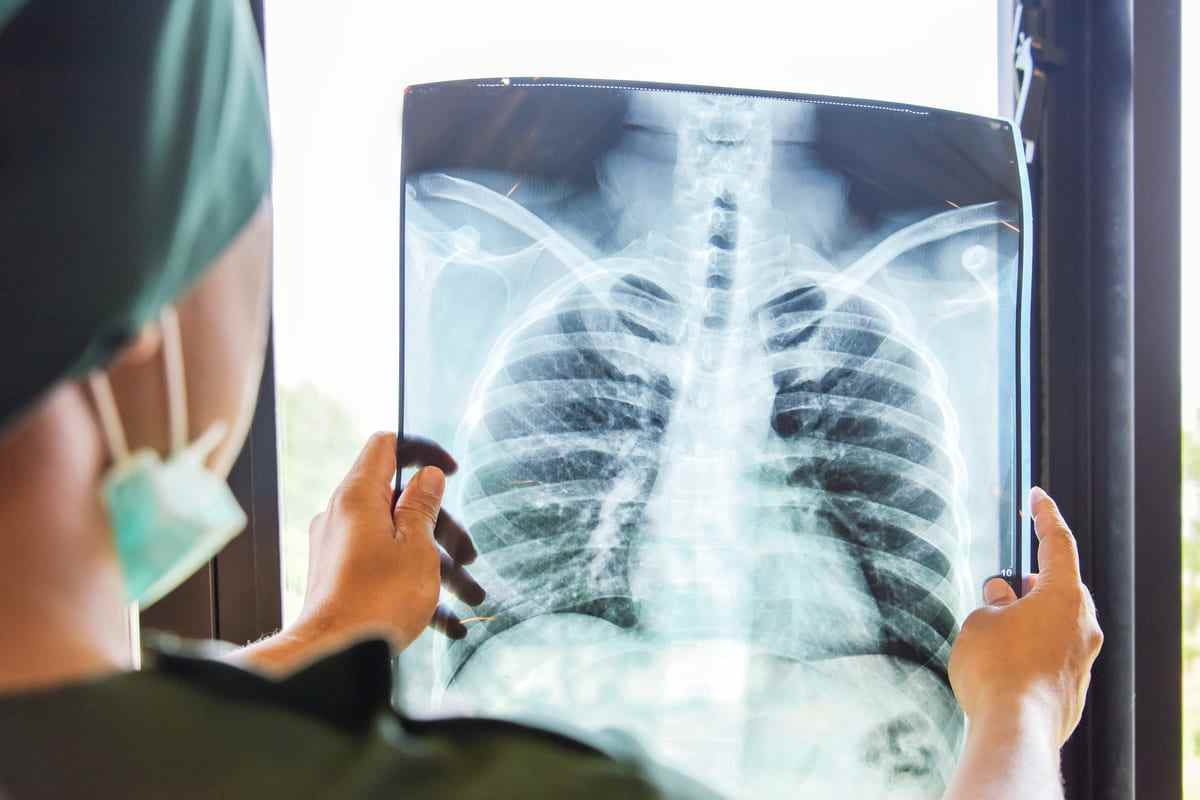
Understanding the subtle signs that should prompt a medical check-up to ensure timely intervention and optimal health outcomes.
Paying attention to one’s health is paramount, especially when it comes to recognizing potential symptoms of underlying conditions. Identifying these warning signs can lead to early diagnosis and treatment, significantly improving health outcomes. In particular, lung-related issues can manifest in various ways, and understanding these symptoms is crucial for deciding when to seek medical advice.
Recognizing respiratory symptoms linked to lung problems
Respiratory symptoms are often the first indicators of potential lung issues. Common signs include a persistent cough, coughing up phlegm, shortness of breath, wheezing, and coughing up blood. These symptoms directly affect the respiratory system and should prompt an individual to consult a healthcare professional. Doctors can then decide whether further, more detailed examinations are necessary.
Identifying non-respiratory symptoms that could indicate lung issues
Interestingly, lung problems can also manifest through symptoms in other parts of the body. Severe chest pain or a sensation of tightness, clubbing (enlargement of the fingertips and toes), and cyanosis (a bluish or grayish discoloration of the skin) are signs that may suggest lung issues. However, these symptoms can also be indicative of heart or digestive tract conditions. For instance, chest pain might relate to heart issues rather than lung problems.
Understanding neurological and muscular symptoms that may affect lungs
Some symptoms affecting the nerves or muscles can impact lung function. Conditions such as Guillain-Barré syndrome can weaken respiratory muscles, leading to breathing difficulties and pulmonary symptoms. It is essential to recognize that not all respiratory symptoms signal severe illnesses. Minor symptoms might be due to a common cold, whereas more severe cases could indicate significant respiratory distress.
The importance of consulting healthcare professionals
Consulting a trusted healthcare professional is crucial when symptoms persist or recur. A doctor can assess whether a comprehensive examination is required or if a simple treatment, such as a cough syrup, will suffice. While it is vital not to panic or assume the worst when symptoms arise, listening to one’s body and seeking medical advice for chronic or repeated discomfort is advisable. Early diagnosis, particularly for more severe conditions, can significantly increase the likelihood of recovery. In medical matters, timing is everything.
In conclusion, recognizing the subtle signs of potential lung issues can lead to timely medical intervention and better health outcomes. It is essential to be proactive about one’s health, consult professionals when necessary, and not underestimate or overreact to symptoms. By doing so, individuals can ensure they receive the appropriate care and treatment, safeguarding their overall well-being.
Riproduzione riservata © - WT



Discover the 2026 home design trend that’s redefining comfort and serenity
The shift to a more curated and calming home design that prioritizes human well-being over aesthetics is taking center stage...


The surprising rise of intimate aesthetic medicine: What you need to know about male enhancement trends
The rapid expansion of intimate aesthetic medicine: How innovative treatments are revolutionizing the landscape of contemporary healthcare by focusing on...


Discover the surprising rise of intimate aesthetic medicine for men
The rapid expansion of intimate aesthetic medicine in modern healthcare and its implications for psychological and physical well-being. Intimate aesthetic...


When emergency becomes routine: the hidden risks in overcrowded hospitals
Understanding the complexities and challenges of emergency room operations in densely populated urban centers, where overcrowding and understaffing can lead...


The secret gift everyone wants this year: it’s not what you think!
The growing popularity of wellness vouchers as gifts: How medical check-ups, massages, and dental hygiene have become top choices. As...
