
News
Discover the shocking foods you must avoid to keep high blood pressure at bay
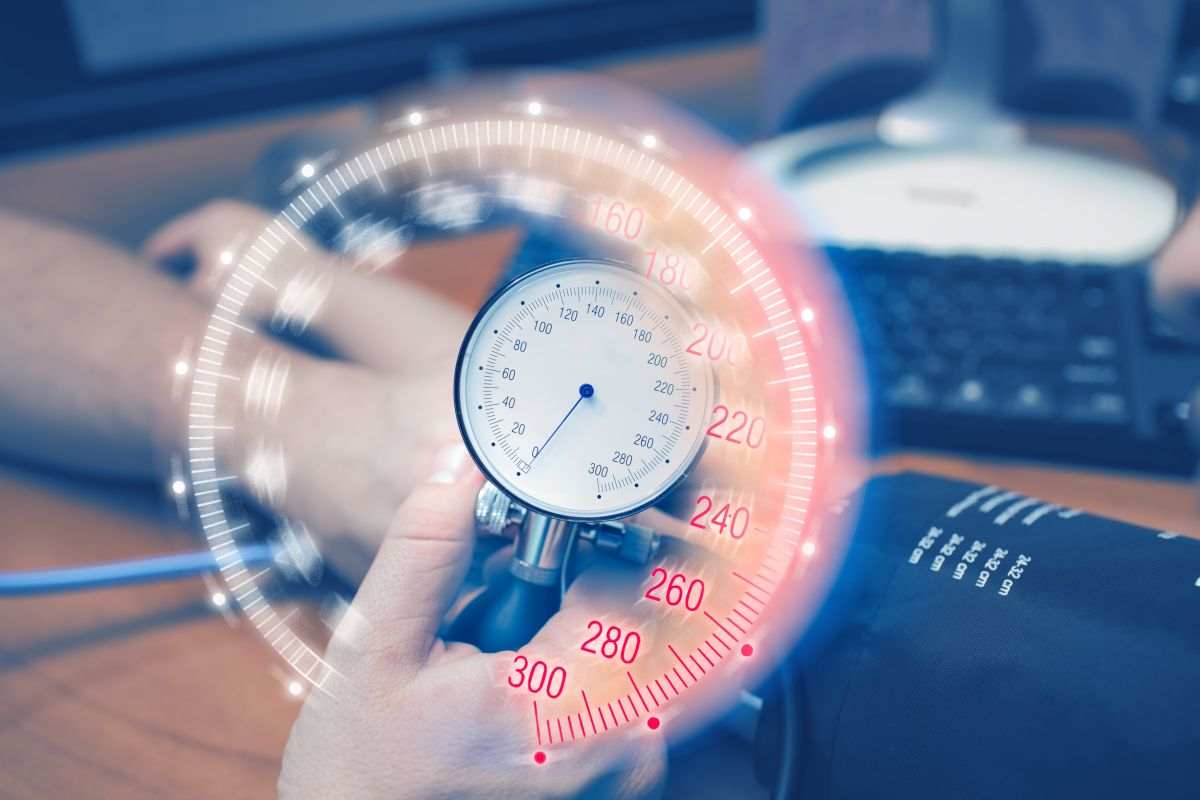
Understanding the impact of diet on high blood pressure and how certain foods can exacerbate the condition if not properly managed.
High blood pressure, or hypertension, is a health issue that many tend to underestimate due to its often asymptomatic nature. However, it is a silent killer that can cause severe damage to the heart, kidneys, brain, and blood vessels if left unmanaged. While medication can aid in controlling hypertension, diet plays an equally crucial role. This article explores the dietary choices that can exacerbate hypertension and offers insights into how to manage this condition through mindful eating.
The silent danger of sodium in processed foods
Sodium is one of the primary dietary culprits when it comes to high blood pressure. Excessive sodium intake can disrupt the body’s fluid balance, leading to increased blood volume and, consequently, higher blood pressure. The danger doesn’t just lie in the table salt added to meals; it is predominantly found in ultra-processed foods, ready-to-eat meals, cured meats, aged cheeses, and even unsuspected items like breakfast cereals and certain industrial sauces. These foods can contribute significantly to daily sodium intake, making it vital for individuals with hypertension to monitor and limit their consumption.
The role of refined sugars and saturated fats
Refined sugars, often overlooked, can also play a role in raising blood pressure. Consuming large quantities of sugary foods, snacks, and soft drinks can damage blood vessel walls, leading to inflammation that negatively affects blood pressure over time. Similarly, saturated fats found in fried foods, fast food, and industrial pastries raise bad cholesterol levels and decrease arterial elasticity, putting extra strain on the cardiovascular system. These dietary components collectively contribute to worsening hypertension if not controlled.
The importance of mindful eating and label reading
Managing high blood pressure requires more than just reducing portion sizes. It involves a conscious effort to understand and control what is consumed. Reading food labels and being aware of hidden sodium or sugar content is crucial. Each meal should be viewed as a strategic choice in managing hypertension. Additionally, alcohol consumption should be moderated, as excessive intake can disrupt heart rhythm and adversely affect blood pressure.
Taking control of hypertension through informed dietary choices
There are no shortcuts to managing hypertension effectively. It necessitates treating food as either an ally or an adversary. Simply eliminating table salt is insufficient if one continues to consume high-sodium processed foods or indulgent snacks. A holistic approach to diet is essential, where every meal is a deliberate choice towards better health. The encouraging news is that dietary changes are possible, starting with the knowledge of which foods to avoid. Recognizing this is the first step in preventing high blood pressure from escalating into a more serious health issue.
Riproduzione riservata © - WT



Discover the 2026 home design trend that’s redefining comfort and serenity
The shift to a more curated and calming home design that prioritizes human well-being over aesthetics is taking center stage...


The surprising rise of intimate aesthetic medicine: What you need to know about male enhancement trends
The rapid expansion of intimate aesthetic medicine: How innovative treatments are revolutionizing the landscape of contemporary healthcare by focusing on...


Discover the surprising rise of intimate aesthetic medicine for men
The rapid expansion of intimate aesthetic medicine in modern healthcare and its implications for psychological and physical well-being. Intimate aesthetic...


When emergency becomes routine: the hidden risks in overcrowded hospitals
Understanding the complexities and challenges of emergency room operations in densely populated urban centers, where overcrowding and understaffing can lead...


The secret gift everyone wants this year: it’s not what you think!
The growing popularity of wellness vouchers as gifts: How medical check-ups, massages, and dental hygiene have become top choices. As...
