
News
The crucial health checks every woman over 50 needs to know about now
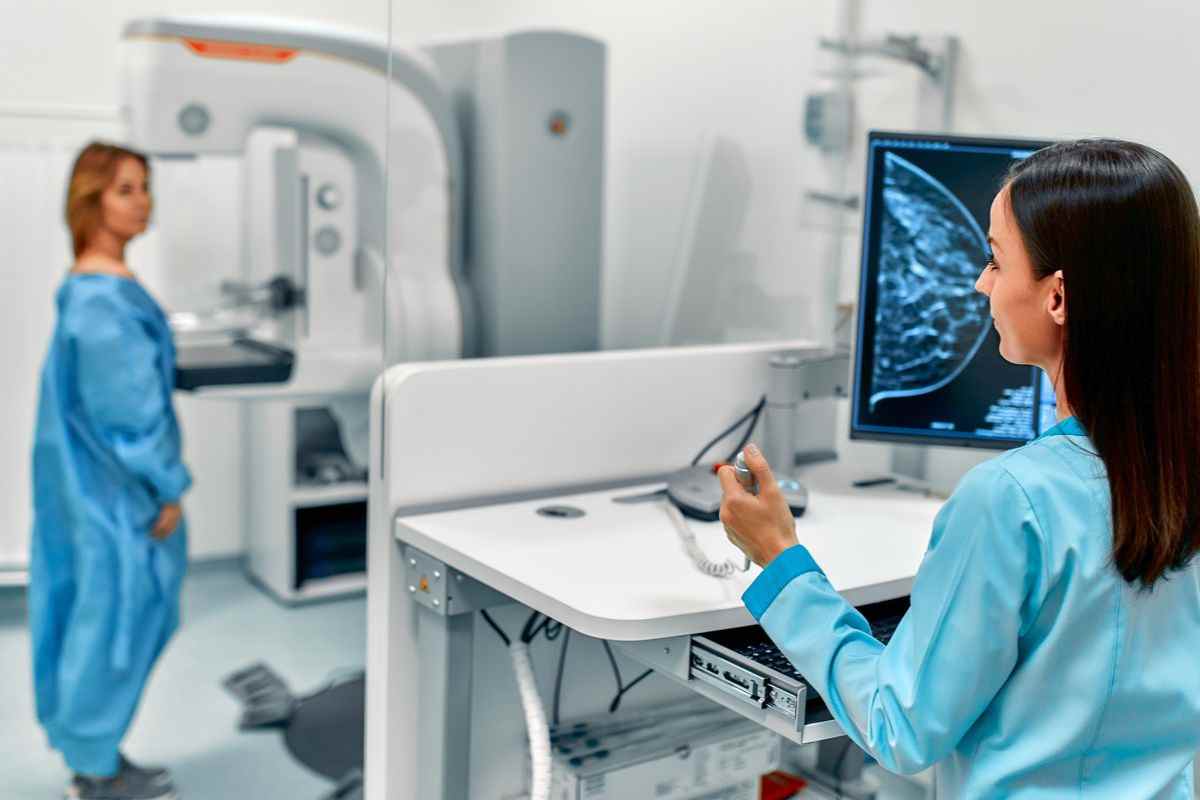
Understanding the critical health screenings and preventive measures every woman over 50 should prioritize for long-term well-being.
As women age, particularly after the age of 50, the importance of regular health screenings and preventive measures becomes increasingly crucial. This period in a woman’s life is often marked by a heightened risk of developing certain health conditions, making routine examinations essential for early detection and treatment. Various health campaigns have long emphasized the significance of these preventive strategies, urging women not to overlook necessary screenings. This article explores the critical tests and examinations that women over 50 should incorporate into their healthcare routine to maintain optimal health and well-being.
Importance of bone density testing for women over 50
One of the first and most important examinations that women should undergo upon reaching 50 is the Mineralometria Ossea Computerizzata (MOC), or bone density test. This examination is crucial for measuring the mineral density of bones, helping to diagnose osteoporosis or other skeletal disorders. Osteoporosis is a common condition in postmenopausal women, making early detection vital for effective management and prevention of complications like fractures.
Breast health screenings and their pivotal role in early detection
Regular breast health screenings are imperative for women over 50. It is recommended to perform self-breast examinations every three months and to have an annual clinical breast examination. Additionally, a mammogram should be carried out yearly, starting from the age of 40. These screenings are essential for the early detection of breast cancer, significantly improving treatment outcomes and survival rates. Understanding the changes in breast tissue and promptly addressing any abnormalities can make a substantial difference in the fight against this prevalent disease.
Colon health screenings for early detection of colon and rectal cancers
As women age, the risk of colon and rectal cancers increases, making screenings for occult blood in the stool a vital preventive measure. Conducting this test can help detect early signs of these cancers, allowing for timely intervention and treatment. Regular screenings play a key role in reducing the mortality rate associated with colon and rectal cancers, emphasizing the need for consistent monitoring.
Gynecological examinations and their significance in preventive healthcare
A gynecological examination, including a Pap test, is another crucial screening for women over 50. This examination is instrumental in diagnosing potential cervical cancers, facilitating early treatment and management. Additionally, routine blood tests are recommended to monitor specific parameters such as cholesterol levels, blood sugar, thyroid function, and the TSH hormone, which can indicate thyroid issues if altered. These tests help in the early detection of various health conditions, allowing for proactive management.
Other essential health screenings for women over 50
Women should also consider undergoing a transvaginal ultrasound to assess the thickness of the endometrium and examine the uterus and ovaries, helping to detect fibroids or other abnormalities. Furthermore, regular eye examinations are crucial, especially after the age of 45, as presbyopia and other age-related eye changes might lead to conditions such as glaucoma. Early detection and management by a specialist can prevent vision loss and other complications.
In conclusion, reaching the age of 50 marks a significant milestone in a woman’s life, necessitating a proactive approach to health screenings and preventive care. By adhering to recommended health checks, women can safeguard their health, ensuring early detection and management of potential health issues, ultimately enhancing their quality of life and longevity.
Riproduzione riservata © - WT



Discover the 2026 home design trend that’s redefining comfort and serenity
The shift to a more curated and calming home design that prioritizes human well-being over aesthetics is taking center stage...


The surprising rise of intimate aesthetic medicine: What you need to know about male enhancement trends
The rapid expansion of intimate aesthetic medicine: How innovative treatments are revolutionizing the landscape of contemporary healthcare by focusing on...


Discover the surprising rise of intimate aesthetic medicine for men
The rapid expansion of intimate aesthetic medicine in modern healthcare and its implications for psychological and physical well-being. Intimate aesthetic...


When emergency becomes routine: the hidden risks in overcrowded hospitals
Understanding the complexities and challenges of emergency room operations in densely populated urban centers, where overcrowding and understaffing can lead...


The secret gift everyone wants this year: it’s not what you think!
The growing popularity of wellness vouchers as gifts: How medical check-ups, massages, and dental hygiene have become top choices. As...
