News
Unlocking the secret: How often should you really wash your hair?
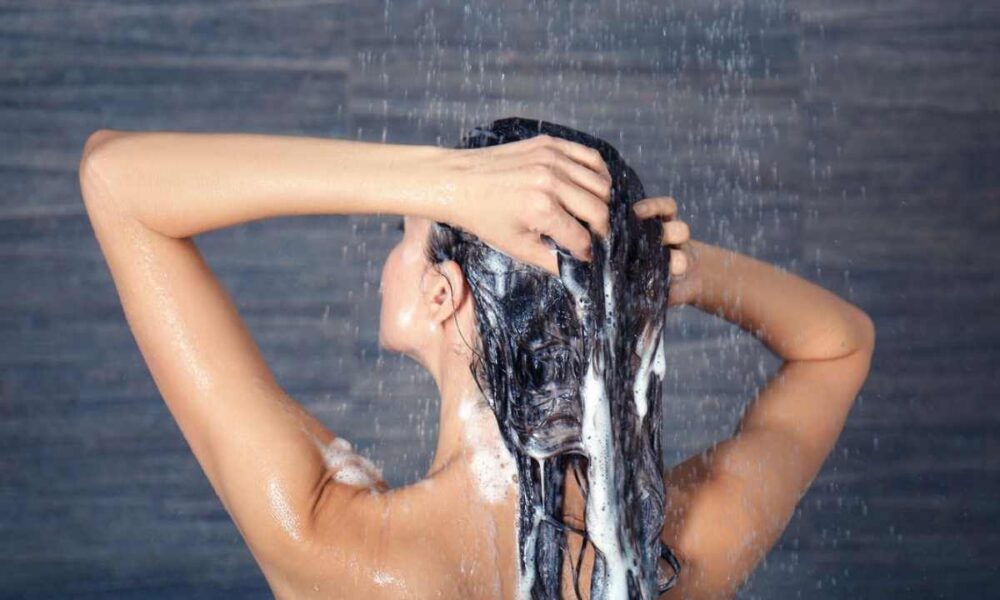
Understanding the optimal hair washing frequency: How individual factors and lifestyle choices dictate the best routine for hair care.
The question of how often to wash one’s hair is a common concern for many, driven by worries about excess oil, frizz, or damaged hair. Recent insights from dermatologists and scientific studies suggest there is no one-size-fits-all answer, challenging the conventional wisdom of a universal washing schedule. Instead, the optimal frequency depends on individual hair type, sebum production, and lifestyle choices.
Individual hair characteristics play a crucial role in determining washing frequency
The American Academy of Dermatology (AAD) highlights three primary factors that should dictate how often one washes their hair: hair type, scalp oil production, and lifestyle. Contrary to popular belief, washing your hair every two days is not a blanket recommendation for all. For those with fine hair and oily scalps, daily washing might be necessary to prevent oil buildup. This is especially true for individuals who engage in regular physical activity, as sweat can exacerbate oiliness.
Conversely, individuals with thick or curly hair and dry scalps can afford to wash their hair less frequently, perhaps once a week or even every two weeks, without compromising hair health. The key is to tailor hair care routines to suit individual needs rather than adhering to generalized rules.
The importance of washing hair to maintain scalp health
Washing hair is not merely an aesthetic practice; it is essential for removing sebum, sweat, dead skin cells, and environmental pollutants that accumulate on the scalp. Neglecting regular washing can weaken hair follicles and slow hair growth. However, there is also a downside to excessive washing. Using harsh shampoos daily can disrupt the scalp’s pH balance and trigger a rebound effect, increasing oil production. Selecting the right shampoo for your scalp type is crucial in maintaining hair health.
The role of dry shampoo in hair care routines
Dry shampoo has gained popularity as a convenient way to manage oiliness between washes, but it should not replace traditional washing. It serves as a temporary solution to prolong the feeling of cleanliness and can be particularly useful for those seeking to extend the time between washes. However, it is important to use dry shampoo judiciously to avoid potential buildup on the scalp.
Age and lifestyle impact on hair washing frequency
As people age, their scalps produce less sebum, which naturally reduces the need for frequent washing. This is particularly relevant for individuals over 50, whose scalps tend to become drier. Lifestyle factors also play a significant role. Those who engage in daily sports, live in polluted urban areas, or frequently use styling products will need to wash their hair more often. In contrast, individuals with a more relaxed lifestyle and thicker or curlier hair can afford longer intervals between washes without damaging their hair.
Ultimately, there is no magical formula that works for everyone. The key to effective hair care lies in understanding and adapting to one’s unique hair characteristics and lifestyle needs. By doing so, individuals can maintain healthy hair without fear of damage or neglect.
Riproduzione riservata © - WT