
News
Unseen barriers: How stairlifts are transforming Italian homes for an aging population
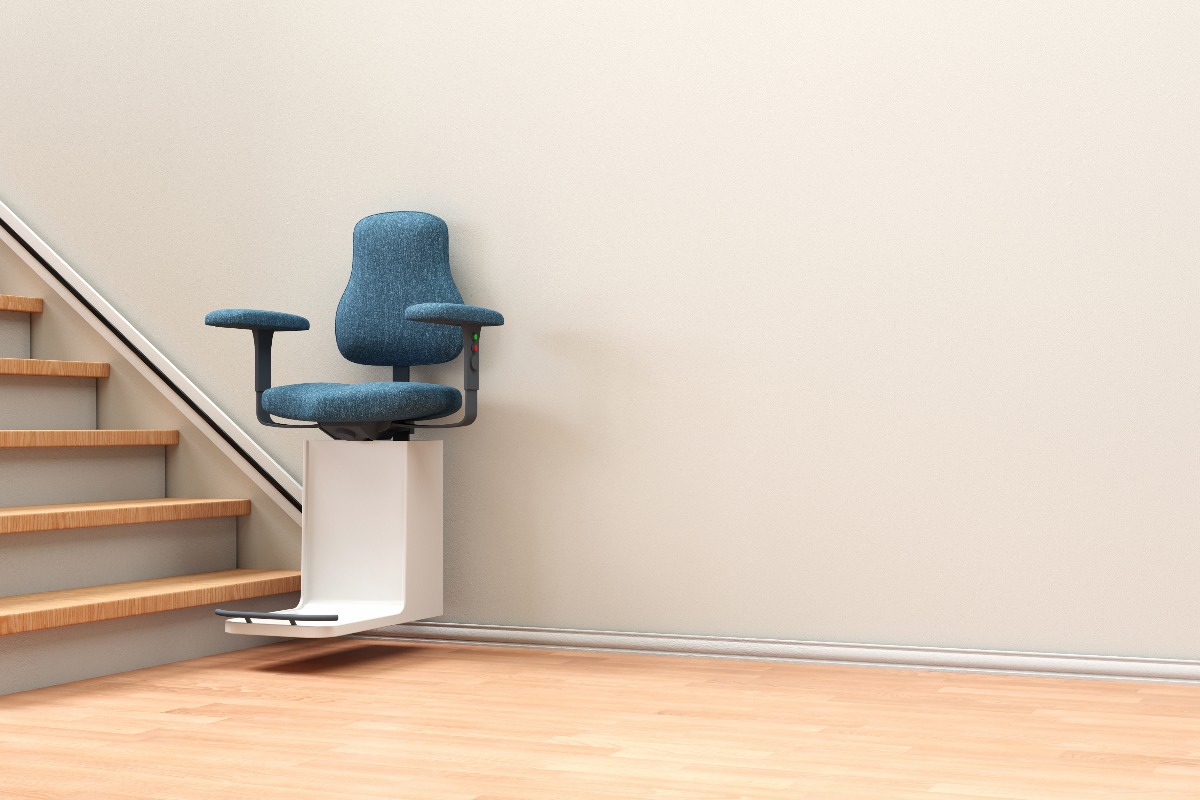
Ensuring domestic safety becomes a societal priority as aging populations experience mobility challenges within their homes.
As Italy grapples with an aging population, where 24.7% are over 65, the challenge of maintaining safe and accessible homes becomes increasingly significant. With over 14.5 million Italians aged 65 and above, and projections indicating a rise to 34.5% by 2050, addressing the difficulties posed by architectural barriers is crucial. Fortunately, solutions exist that allow for autonomy and quality of life to be preserved, such as stairlifts and structural modifications. Additionally, fiscal incentives in 2025 provide financial support for these necessary adaptations, ensuring accessibility becomes a priority for future-proofing homes.
The aging population and its impact on housing
Italy faces a significant demographic shift with a rapidly aging population. Over 14.5 million individuals are aged 65 and above, and by 2050, this group is expected to account for 34.5% of the population. A striking 80% of seniors own their homes, yet many reside in buildings without elevators, causing daily challenges. The absence of elevators or solutions to overcome architectural barriers significantly diminishes their quality of life. Fortunately, the market offers accessible solutions like stairlifts from companies such as Stannah, Vimec, and others, helping maintain independence.
Challenges posed by everyday barriers
Everyday architectural barriers, such as stairs and steps, pose significant challenges for the elderly, people with disabilities, and even parents with strollers. These barriers not only create physical difficulties but also lead to psychological distress by limiting social interactions and independence. Bathrooms, with their slippery surfaces and confined spaces, are particularly hazardous. Installing grab bars near toilets and showers can prevent falls and improve safety.
Implementing accessible home solutions
To enhance the quality of life for seniors, key structural interventions in homes are necessary. Installing ramps, widening doorways for wheelchair access, and using non-slip flooring are effective measures. The installation of handrails in corridors and bathrooms is also crucial for those with balance issues. These improvements help create a safer and more accessible living environment.
The role of mobility devices in home accessibility
Mobility devices such as stairlifts provide practical solutions for those with movement difficulties. Various models exist to accommodate different stair types, ensuring that individuals can continue to move freely within their homes. Professional assessments can help determine the most suitable device based on specific needs and home layouts.
Fiscal incentives for home adaptations in 2025
The year 2025 presents favorable conditions for adapting homes to be more accessible. The architectural barriers bonus offers a 75% tax deduction for expenses incurred from 2022 to 2025, making these adaptations more financially feasible. To qualify, installations must be performed by certified professionals, with proper documentation and bank transfers for tax deductions.
Understanding the quality levels of constructed spaces
The Italian D.M. 236/1989 defines three key requirements for living spaces: accessibility, visitability, and adaptability. Accessibility allows individuals with reduced mobility to easily navigate and use facilities safely. Visitability provides limited access to some parts of the building, while adaptability involves future modifications to enhance accessibility.
Technology’s role in promoting autonomy
Technology significantly enhances seniors’ quality of life. Teleassistance systems monitor health remotely, providing timely interventions during emergencies. Home automation, like motorized shutters and smart thermostats, allows for effortless home management. Smartphone apps for health reminders also contribute to greater independence.
The right to active aging
Active participation in economic, social, and cultural life is vital for seniors, as promoted by the World Health Organization. Ensuring home accessibility preserves independence and dignity, allowing seniors to fully enjoy their living spaces. Architectural barriers can severely limit this vitality, highlighting the importance of creating accessible environments.
The financial implications of future-proofing homes
Investing in barrier removal devices varies in cost depending on intervention complexity and home specifics. However, current fiscal incentives significantly reduce these costs, making adaptations accessible to more families. Each situation requires specific evaluation to determine the best solution and associated costs.
The importance of inclusive design
Designing accessible spaces is a forward-thinking approach. Creating adaptable environments meets immediate needs and accommodates evolving physical capabilities over time. Preventive measures, such as installing handrails or planning for future mobility devices, enhance safety and property value.
The fundamental right to accessible living
Architectural barriers eventually affect everyone. In an aging society like Italy, ensuring home accessibility is a present and future investment. The 2018 Court of Cassation ruling emphasized every resident’s fundamental right to home access, reinforcing accessibility as a fundamental right rather than an option. With available fiscal incentives and technological advances, 2025 offers a prime opportunity to undertake these essential interventions.
Riproduzione riservata © - WT


Discover the 2026 home design trend that’s redefining comfort and serenity
The shift to a more curated and calming home design that prioritizes human well-being over aesthetics is taking center stage...


The surprising rise of intimate aesthetic medicine: What you need to know about male enhancement trends
The rapid expansion of intimate aesthetic medicine: How innovative treatments are revolutionizing the landscape of contemporary healthcare by focusing on...


Discover the surprising rise of intimate aesthetic medicine for men
The rapid expansion of intimate aesthetic medicine in modern healthcare and its implications for psychological and physical well-being. Intimate aesthetic...


When emergency becomes routine: the hidden risks in overcrowded hospitals
Understanding the complexities and challenges of emergency room operations in densely populated urban centers, where overcrowding and understaffing can lead...


The secret gift everyone wants this year: it’s not what you think!
The growing popularity of wellness vouchers as gifts: How medical check-ups, massages, and dental hygiene have become top choices. As...
